
Pride - Purpose - Power | Welcome to the Dolphin Pride Scholars at Coastline College supporting LGBTQIA2S+ students!
Dolphin Pride Scholars (DPS)
Dolphin Pride Scholars (DPS) supports LGBTQIA2S+ students at Coastline College through mentorship, resources, and community-building opportunities that promote academic success, personal growth, and a strong sense of belonging. The program is dedicated to creating affirming and inclusive spaces where students feel seen, respected, and supported throughout their educational journey. Through programming, connection, and advocacy, DPS empowers students to navigate college with confidence, build meaningful relationships, and thrive both inside and outside of the classroom.
A Safe & Affirming Community
A space where LGBTQIA+ students feel supported, respected, and connected.
LGBTQIA+ Support and Resources
Coastline College is committed to supporting LGBTQIA+ students, faculty, and staff through affirming resources, dedicated support, and inclusive practices across campus.
Dolphin Pride Scholars (DPS), established in October 2025, is Coastline College’s LGBTQ+ student support program, conceptualized, developed, and led by Maw Karly Simon. DPS promotes academic success, leadership development, and community connection through mentorship, educational programming, and holistic support services.
In compliance with Senate Bill 1491, effective January 1, 2025, Coastline College has designated a Confidential Point of Contact to support the unique needs of LGBTQIA+ students, faculty, and staff.
Confidential Point of Contact
Carlos Amescua, Ed.D. (he/him)
Director, EOPS/CARE/NextUp & CalWORKs
LGBTQIA+ Campus Liaison
jamescua@cccd.edu | (714) 241-6211
DPS Point of Contact
Maw Karly Simon (she/her/siya)
Project Coordinator – LGBTQ+ (Professional Expert)
msimon23@cccd.edu | (714) 241-6016
Get Support
Students seeking support, resources, or connection are encouraged to contact:
lgbtq@coastline.edu | 714.241.6016
-
Our Mission
Dolphin Pride Scholars (DPS) advances LGBTQ+ student success by expanding access to resources, cultivating leadership, and creating affirming spaces where students can connect, be visible, and truly belong at Coastline College.

PRIDE • PURPOSE • POWER
-
Program Services
DPS offers a range of services designed to support LGBTQ+ students in their academic success, personal development, and sense of belonging at Coastline College.
-
One-on-one mentoring and individualized check-ins
-
Academic support and guidance for navigating college systems
-
LGBTQ+ support spaces and facilitated peer discussions
-
Educational workshops focused on identity, wellness, and success
-
Leadership development and student engagement opportunities
-
Campus events and Pride-centered programming
-
Student employment and volunteer pathways
-
Sexual health education, resources, and referrals

-
-
Emergency & Crisis Hotlines
If you or someone you know needs immediate support, confidential help is available 24/7 through the following resources.

Hotlines
- 988 Suicide & Crisis Lifeline – 24/7 support for mental health crises and emotional distress (Call or Text 988)
- The Trevor Project – Crisis intervention and suicide prevention for LGBTQ+ youth (ages 13 - 24) (Call 866-488-7386 | Text 678678)
- Trans Lifeline – Peer support hotline run by and for trans individuals (877-565-8860)
- GLBT National Help Center – Peer counseling and LGBTQ+ resource support (888-843-4564)
-
Local LGBTQ+ Community Resources
Students can connect with local LGBTQ+-affirming organizations that provide community support, healthcare, mental health services, and opportunities to get involved throughout Orange County and nearby areas.

Local Resources
These organizations provide LGBTQ+-affirming care, including mental health support, healthcare services, legal assistance, and community connection.
- LGBTQ Center Orange County – Mental health services, HIV/STI testing, youth and adult groups, and transgender support services
- The LGBTQ Center Long Beach – Mental health counseling, HIV/STI testing, legal services, and support for youth, families, and survivors of intimate partner violence
- APAIT (Access to Prevention Advocacy Intervention & Treatment) – HIV/STI testing, mental health services, housing support, and culturally responsive care for LGBTQ+ and underserved communities
- Radiant Health Centers – LGBTQ+-affirming medical care, HIV/STI testing, mental health counseling, and social services including housing and case management
- Planned Parenthood – Sexual and reproductive health care, including STI testing, birth control, and gender-affirming hormone therapy
- APLA Health (Long Beach) – LGBTQ+-affirming primary care, mental health services, sexual health care, and hormone therapy
- County STD/HIV Clinic (17th Street) – Free or low-cost STI testing, HIV care, and prevention services including PrEP and PEP
- Alianza Translatinx – Trans-led organization providing community support, advocacy, and resources for trans and gender-expansive Latinx individuals, including food access, health navigation, and name and gender marker assistance
- SĀFTY (Supportive Allies For Trans Youth) – Support for transgender and questioning youth and their families, including free therapy, resources, and guidance through gender identity exploration
- Affirming OC – Community-led mutual aid providing free clothing, gender-affirming items, and support for trans and gender-diverse individuals in Orange County
- Viet Rainbow of Orange County (VROC) – Community support, advocacy, and culturally responsive programming for LGBTQ+ Vietnamese Americans
-
National & International LGBTQ+
National and international organizations provide support, advocacy, education, and community resources for LGBTQ+ individuals, including mental health support, legal advocacy, and identity-based communities.

National Organizations
- Human Rights Campaign (HRC) – Advocacy, education, and resources advancing LGBTQ+ equality, including workplace equality through the Corporate Equality Index
- PFLAG – Support, education, and advocacy for LGBTQ+ individuals and their families, with local chapters across the United States
- Chapters in/near Orange County:
- GLAAD – Promotes fair and accurate representation of LGBTQ+ people in media
- GLSEN (Gay, Lesbian & Straight Education Network - now Glisten) – Advocacy, research, and resources focused on creating safe and inclusive schools for LGBTQ+ students
- It Gets Better Project – Uplifting stories, resources, and community support for LGBTQ+ youth
- Advocates for Trans Equality (formerly National Center for Transgender Equality) – Policy advocacy, legal resources, and guidance supporting the rights, safety, and well-being of transgender individuals
- Transgender Law Center – Legal advocacy and resources for transgender and gender-nonconforming communities
- National Queer & Trans Therapists of Color Network – Directory and mental health resources for queer and trans people of color
- Asexual Visibility and Education Network (AVEN) – Education, resources, and community for asexual and questioning individuals
International Organizations
- ILGA World (International Lesbian, Gay, Bisexual, Trans and Intersex Association) – Global network advocating for LGBTQ+ rights and equality worldwide
- OutRight International – Global advocacy organization advancing LGBTQ+ human rights across countries and regions
- Stonewall (UK) – LGBTQ+ rights organization focused on equality, education, and workplace inclusion
- Rainbow Railroad – Provides support and relocation assistance for LGBTQ+ individuals facing persecution worldwide
-
Coastline Campus Resources
Coastline College offers a range of campus services that support student well-being, academic success, and community connection. LGBTQ+ students are encouraged to access these resources alongside Dolphin Pride Scholars for holistic support.

Academic Success & Career Growth
- Academic Counseling – Educational planning, degree progress, and academic support
- Transfer Center – University transfer planning and application support
- Student Success Resource Center – Tutoring and academic support services
- Career Services – Career exploration, internships, and job preparation
Health, Wellness & Basic Needs
- Student Mental Health Services – Free counseling available in-person and virtually
- Basic Needs Program – Support with food, housing, and essential resources
- Dolphin Assistance Program (DAP) – Textbook support through book borrowing and vouchers for eligible students
Identity & Student Support Programs
- Umoja Community – Support and community for African American students
- Extended Opportunity Programs & Services (EOPS) – Academic, financial, and counseling support for students from low-income and underserved backgrounds, including CARE for single parent students
- CalWORKs – Support services for student parents receiving public assistance, including academic, career, and financial guidance
- NextUp & Guardian Scholars – Support for current and former foster youth
- Dream Resource Program – Resources for undocumented and AB 540 students
- Lotus Program – Support and community for AANHPI students
- Rising Tide Scholars – Support for formerly incarcerated students
- Hope Scholars Program – Support for currently incarcerated or reentry students
- Veterans Resource Center – Support for military-connected students
- Special Programs & Services (DSPS) – Accessibility services and academic accommodations
Leadership & Student Involvement
- Student Life & Leadership – Campus events and leadership development
- Associated Student Government (ASG) – Student representation and leadership opportunities
- Student Clubs – Social, cultural, and identity-based organizations
Financial & Administrative Support
- Financial Aid – Grants, scholarships, and financial support
- Admissions & Records – Enrollment, transcripts, and student records
Gender-Inclusive Restroom Maps
Sign up to get connected, access resources, and stay informed about upcoming programs and events.
Register for Dolphin Pride Scholars
MEET THE STAFF
Our team is here to support LGBTQIA2S+ students through mentorship, resources, and community.
Vacant
LGBTQIA2S+ Education & Inclusive Practices
This section provides foundational knowledge and guidance to support understanding, respectful communication, and inclusive practices. Explore key terminology, pronoun usage, and ways to actively foster affirming environments for LGBTQIA2S+ students and the campus community.
-
LGBTQ+ TerminologyUnderstanding LGBTQ+ terminology supports respectful communication and helps create a more inclusive and affirming campus environment. Language evolves, and learning these terms is part of ongoing allyship.

🌈 Core Concepts
LGBTQ+ – An umbrella acronym representing lesbian, gay, bisexual, transgender, queer or questioning, and other diverse identities.
Sexual Orientation – A person’s emotional, romantic, or physical attraction to others.
Gender Identity – A person’s internal sense of their gender.
Gender Expression – How a person presents their gender through appearance, clothing, behavior, or voice.
Sex (Biological Sex) – A combination of physical traits such as chromosomes, hormones, and anatomy.
🌈 Sex & Assigned Sex Terms
Assigned Sex at Birth (ASAB) – The classification (typically male or female) assigned at birth based on physical characteristics.
AFAB (Assigned Female at Birth) – A person who was assigned female at birth.
AMAB (Assigned Male at Birth) – A person who was assigned male at birth.
Intersex – A person born with variations in sex characteristics that do not fit typical definitions of male or female bodies.
🌈 Gender Identity Terms
Cisgender – A person whose gender identity aligns with the sex they were assigned at birth.
Transgender (Trans) – A person whose gender identity differs from the sex assigned at birth.
Nonbinary – A gender identity outside the traditional male and female binary.
Genderqueer – A gender identity that is not exclusively male or female.
Genderfluid – A gender identity that may change over time.
Agender – A person who does not identify with any gender.
Two-Spirit – A culturally specific identity used by some Indigenous peoples that may encompass gender, sexuality, and spiritual identity.
🌈 Sexual Orientation Terms
Straight (Heterosexual) – A person who is attracted to a gender different from their own.
Lesbian – A woman who is attracted to other women.
Gay – A person who is attracted to people of the same gender.
Bisexual – Attraction to more than one gender.
Pansexual – Attraction to people regardless of gender.
Asexual (Ace) – A person who experiences little or no sexual attraction.
Aromantic (Aro) – A person who experiences little or no romantic attraction.
Demisexual – A person who experiences sexual attraction only after forming a strong emotional connection.
Polysexual – Attraction to multiple, but not all, genders.
Monosexual – Attraction to one gender.
Queer – An umbrella term for diverse sexual orientations and gender identities; some individuals may also use it as a personal identity.
Questioning – A person who is exploring or unsure about their sexual orientation or gender identity.
🌈 Identity & Community Terms
Ally – A person who supports and advocates for LGBTQ+ individuals.
Coming Out – The process of sharing one’s sexual orientation or gender identity with others.
Out – Openly identifying as LGBTQ+.
Closeted – Not openly identifying as LGBTQ+.
🌈 Language & Respect
Pronouns – Words used to refer to someone without using their name (for example, she/her, he/him, they/them).
Neopronouns – Gender-neutral pronouns beyond traditional sets (such as ze/zir or xe/xem) used by some individuals to better reflect their identity.
Chosen Name – The name a person uses that reflects their identity.
Deadname – A name a transgender person no longer uses.
Misgendering – Referring to someone using incorrect pronouns or gender.
🌈 Equity & Inclusion Terms
Intersectionality – The way multiple identities overlap and shape a person’s experiences, particularly related to systems of oppression or privilege.
Gender-Affirming Care – Medical, social, or psychological support that affirms a person’s gender identity.
Inclusive Language – Language that respects and includes all identities.
Safe Space – An environment where individuals feel respected, supported, and free from discrimination.
🌈 Learn More
For a more comprehensive and evolving list of LGBTQ+ terminology, visit:
https://glaad.org/reference/terms -
Pronouns & Inclusive Language
Coast Community College District supports all students in how they choose to identify and recognizes that many individuals use names that differ from their legal name. Students and employees have the ability to select and use their chosen first name through the MyCoast portal.
Learn more about Coast Colleges Name Standards and Pronouns.
What Are Pronouns?
Pronouns are words used to refer to someone without using their name. People may use different pronouns to reflect their identity.
Pronoun Usage Guide
She/Her
Subject: she
Object: her
Possessive Adjective: her
Possessive Pronoun: hers
Example: She is attending class. I spoke with her. Her book is on the table. That book is hers.
He/Him
Subject: he
Object: him
Possessive Adjective: his
Possessive Pronoun: his
Example: He is attending class. I spoke with him. His book is on the table. That book is his.
They/Them (Singular)
Subject: they
Object: them
Possessive Adjective: their
Possessive Pronoun: theirs
Example: They are attending class. I spoke with them. Their book is on the table. That book is theirs.
Ze/Hir
Subject: ze
Object: hir
Possessive Adjective: hir
Possessive Pronoun: hirs
Example: Ze is attending class. I spoke with hir. Hir book is on the table. That book is hirs.
Ze/Zir
Subject: ze
Object: zir
Possessive Adjective: zir
Possessive Pronoun: zirs
Example: Ze is attending class. I spoke with zir. Zir book is on the table. That book is zirs.
Xe/Xem
Subject: xe
Object: xem
Possessive Adjective: xyr
Possessive Pronoun: xyrs
Example: Xe is attending class. I spoke with xem. Xyr book is on the table. That book is xyrs.
Ey/Em
Subject: ey
Object: em
Possessive Adjective: eir
Possessive Pronoun: eirs
Example: Ey is attending class. I spoke with em. Eir book is on the table. That book is eirs.
Per/Per
Subject: per
Object: per
Possessive Adjective: per
Possessive Pronoun: pers
Example: Per is attending class. I spoke with per. Per book is on the table. That book is pers.
Any Pronouns
Meaning: The person is comfortable using any pronouns.
Multiple Pronouns (e.g., she/they, he/they)
Meaning: The person uses more than one set of pronouns and may be comfortable with either or both.
No Pronouns
Meaning: The person prefers to be referred to by their name only.
Note: Not all pronouns are listed. Individuals may use different pronouns, and it is always best to ask and respect what someone shares.
Why Pronouns Matter?
Using a person’s correct pronouns:- Affirms their identity
- Shows respect and inclusion
- Helps create a safe and welcoming environment
Best Practices
- Share your pronouns when introducing yourself
- Politely ask if you are unsure
- Use the name and pronouns someone provides
- Avoid assumptions based on appearance
- If you make a mistake, briefly apologize and correct yourself
Creating Inclusive Spaces
- Include pronouns in introductions, email signatures, and name displays when possible
- Respect that not everyone may feel comfortable sharing their pronouns
- Model inclusive behavior to support others
Pronouns in Virtual Learning
- Share your pronouns during introductions when possible
- Use the name and pronouns others provide in discussions and meetings
- Update your display name in platforms like Zoom and Canvas
- If you make a mistake, briefly apologize and correct yourself
Pronoun Email Signature Examples
Example 1:
Maw Karly Simon (she/her/siya)
Project Coordinator – LGBTQ+ (Professional Expert)
Dolphin Pride Scholars, Coastline College
Example 2:
Maw Karly Simon
Pronouns: she/her/siya
Project Coordinator – LGBTQ+ (Professional Expert)
Dolphin Pride Scholars, Coastline College
Example 3:
Maw Karly Simon
Project Coordinator – LGBTQ+ (Professional Expert)
Dolphin Pride Scholars, Coastline College
Pronouns I use: she/her/siya
Updating Your Name & Pronouns in Campus Systems
Students can update their chosen name and pronouns across campus platforms to support a more affirming and accurate experience in classes and online spaces.
MyCoast (Chosen Name/Preferred First Name)
Students and employees can select a chosen first name through the MyCoast portal.- Log in to MyCoast
- Locate the Banner Self-Service card
- Select Personal Information
- Select Update Personal Contact Information
- Under Personal Details, select Edit
- Enter your chosen or preferred first name
- Submit your change
MyCoast (Legal Name Change)
To update your legal name in official college records:- Visit or contact Admissions & Records at your college
- Complete a Name Change form
- Provide legal documentation (such as a court order, updated ID, or other accepted documents)
Legal name updates may affect:- Academic records and transcripts
- Financial aid records
- Other official college documents
Canvas (Pronouns)
Students can choose to display their pronouns in Canvas to help classmates and instructors refer to them correctly.- Log in to Canvas
- Select Account (left navigation menu)
- Click Profile
- Select Edit Profile
- Choose your pronouns from the dropdown menu
- Click Save Profile
Zoom (Display Name & Pronouns)
Students can update their Zoom display name and include pronouns to help create a more inclusive and respectful virtual environment.- Log in to your Zoom account
- Go to Profile
- Click My account
- Select Edit my profile
- Click Edit next to your name
- Enter your display name
- Enter your pronouns
- Click Save
-
Allyship & Inclusive PracticesCreating an inclusive campus starts with everyday actions. Allyship means respecting identities, using affirming language, and actively supporting LGBTQ+ individuals. By applying what we know in our daily interactions, we can help ensure that all students feel safe, valued, and connected at Coastline College.
What Allyship Looks Like in Practice
Allyship is not just identity—it is behavior. It shows up in how we communicate, respond, and support others across campus.Everyday Actions
- Use individuals’ correct names and pronouns consistently
- Introduce yourself with your pronouns when appropriate
- Politely ask when unsure, rather than making assumptions
- Briefly correct mistakes and continue the conversation
Creating Inclusive Environments
- Use inclusive language in classrooms, emails, and materials
- Display visible signs of support (pronouns, Pride indicators, affirming messaging)
- Avoid assumptions about identity, relationships, or experiences
- Encourage participation without requiring students to disclose identity
Respecting Privacy & Confidentiality
- Do not assume someone is “out” in all spaces
- Avoid sharing a person’s identity without their consent
- Be mindful of names and pronouns used in group settings
- Protect student information in all interactions
Responding to Harm
- Address misgendering or harmful language when it occurs
- Interrupt respectfully and redirect the conversation
- Support individuals who may be impacted
- Follow up when needed and continue learning
Ongoing Learning & Growth
- Stay open to feedback and new information
- Participate in trainings and workshops
- Engage with LGBTQ+ resources and communities
- Recognize that allyship is an ongoing process
LGBTQ+ OutList
Coastline College employees who have voluntarily shared their LGBTQIA2S+ identities to support visibility, connection, and community.
This directory highlights employees who are open about their identities and are willing to be a visible resource for students and colleagues.
Participation in this list is voluntary, and inclusion does not imply availability beyond professional roles.
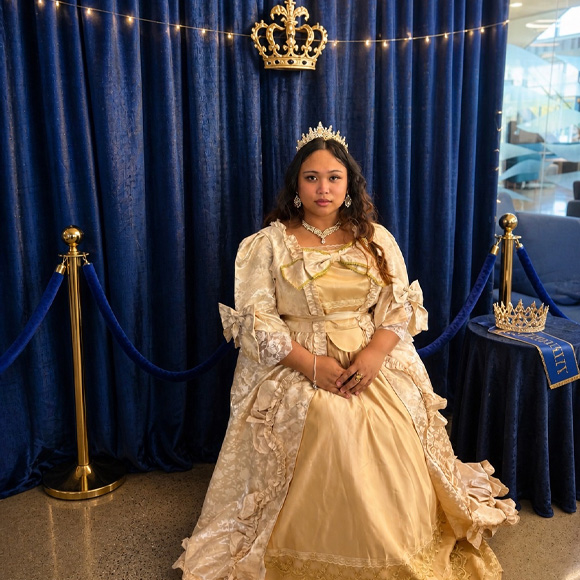
Maw Karly Simon
she/her/siya
Administrative Assistant, Career Education
“Trans women deserve to be seen, respected, and supported—not just in moments, but in every space we exist.”
Email: msimon23@cccd.edu

Kenny Le
they/he
Project Coordinator – Lotus AANHPI SAP (Professional Expert)
“Love is a battle, love is a war; love is a growing up. -- James Baldwin"
Email: kle519@cccd.edu

Santos Alvarado Alcocér
he/him/él
Administrative Assistant to the VPSS, Student Services
“There is strength in being yourself and tenderness in helping others feel accepted too. No viniste a este mundo a encajar, viniste a ser tú.”
Email: salvarado13@cccd.edu
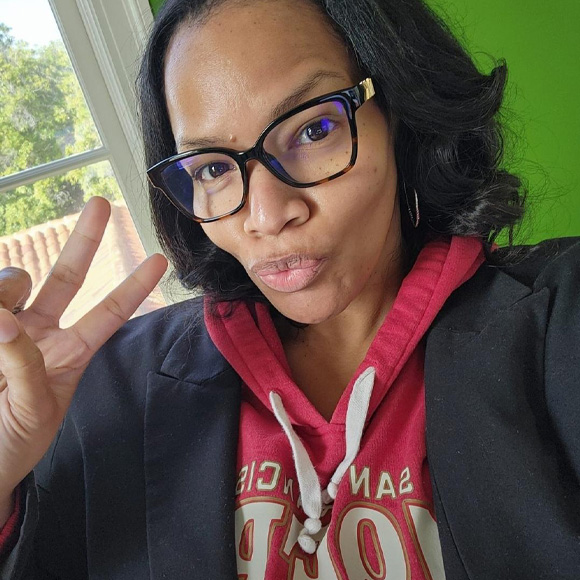
Shonté Thomas
she/they
Director, Student Equity & Title IX
“I am no longer accepting the things I cannot change. I am changing the things I cannot accept.” - Dr. Angela Davis
Email: sthomas163@cccd.edu

Kisa Huerta
she/they
Counseling Technician, Special Programs and Services
"The best thing to hold onto in life is each other." — Audrey Hepburn
Email: vhuerta@cccd.edu
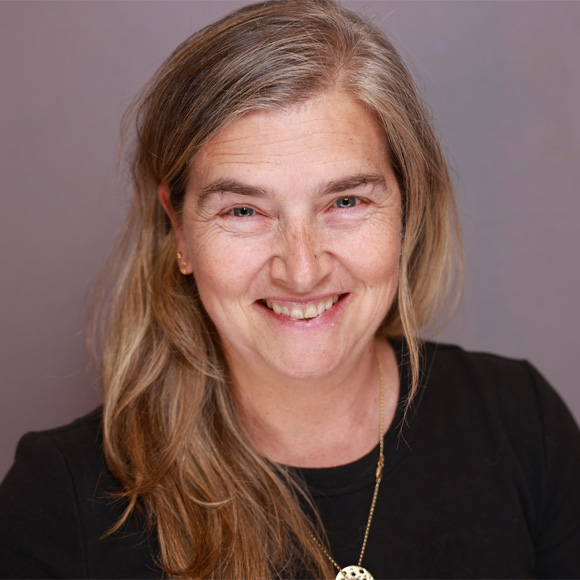
LGBTQ+ Allies
Coastline College employees who have completed Safe Zone training and are committed to supporting LGBTQIA2S+ students and fostering inclusive environments.
These individuals serve as visible allies and are equipped with knowledge and practices to help create safe, affirming spaces across campus.
Participation in this list is voluntary, and inclusion does not imply availability beyond professional roles.

Nadine Boctor
she/her
Santos Alvarado Alcocer
he/him/el
Administrative Assistant to the Vice President of Student Services
salvarado13@cccd.edu
Alexandra Concepcion
she/her/hers
Mental Health Therapist
aconcepcion4@cccd.edu
Kisa Huerta
she/her/they
DSPS Counseling Technician
vhuerta@coastline.edu
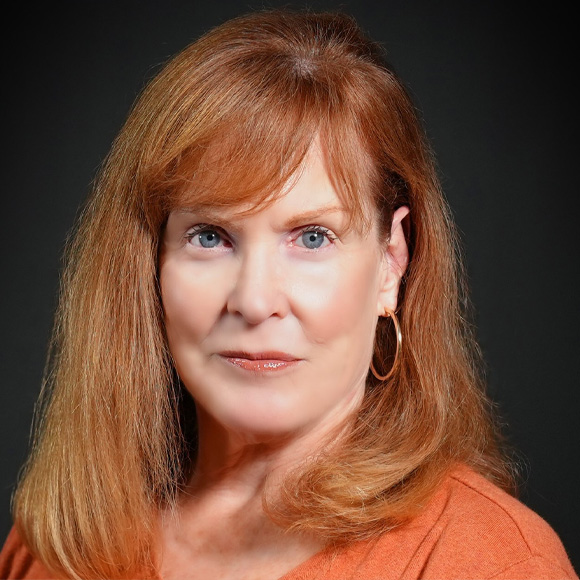
Maureen Schaller
she/her
Administrative Assistant I, Dean of Students
mschaller@coastline.edu

Marilyn Brock
she/her/ella
Professor of English, Chair of English and Humanities
mbrock@coastline.edu
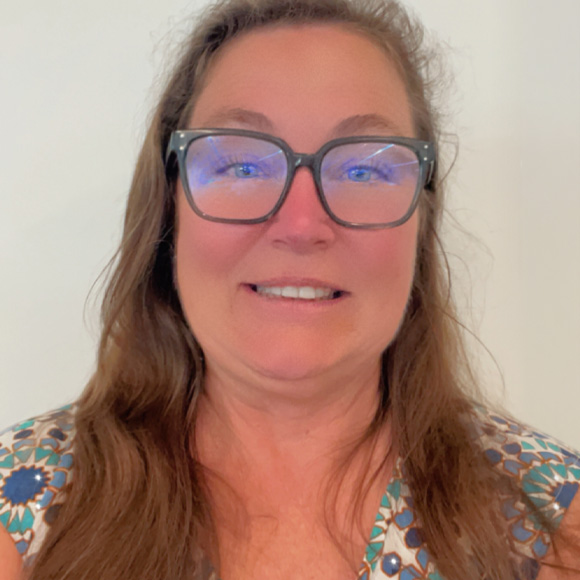
Shannon O’Neal
she/her
EOPS Student Program Specialist
soneal@cccd.edu

Javier Alcala
he/him/his
Administrative Assistant II
jalcala@coastline.edu
DPS Instagram
A space for LGBTQ+ students at Coastline College to find community, access resources, and build meaningful connections.
Follow us to stay connected with events, programs, and opportunities!

Get In Touch
Dolphin Pride Scholars (DPS)
Student Services Center, Fountain Valley
Monday - Friday | 8:00 AM - 5:00 PM
P: 714.241.6016